Access all Premium Skills for $9.99/month. Cancel anytime.See plans

Interactive System Mapv1.0.0

Use this Skill to build interactive system map.

Rising
5.05101
Free

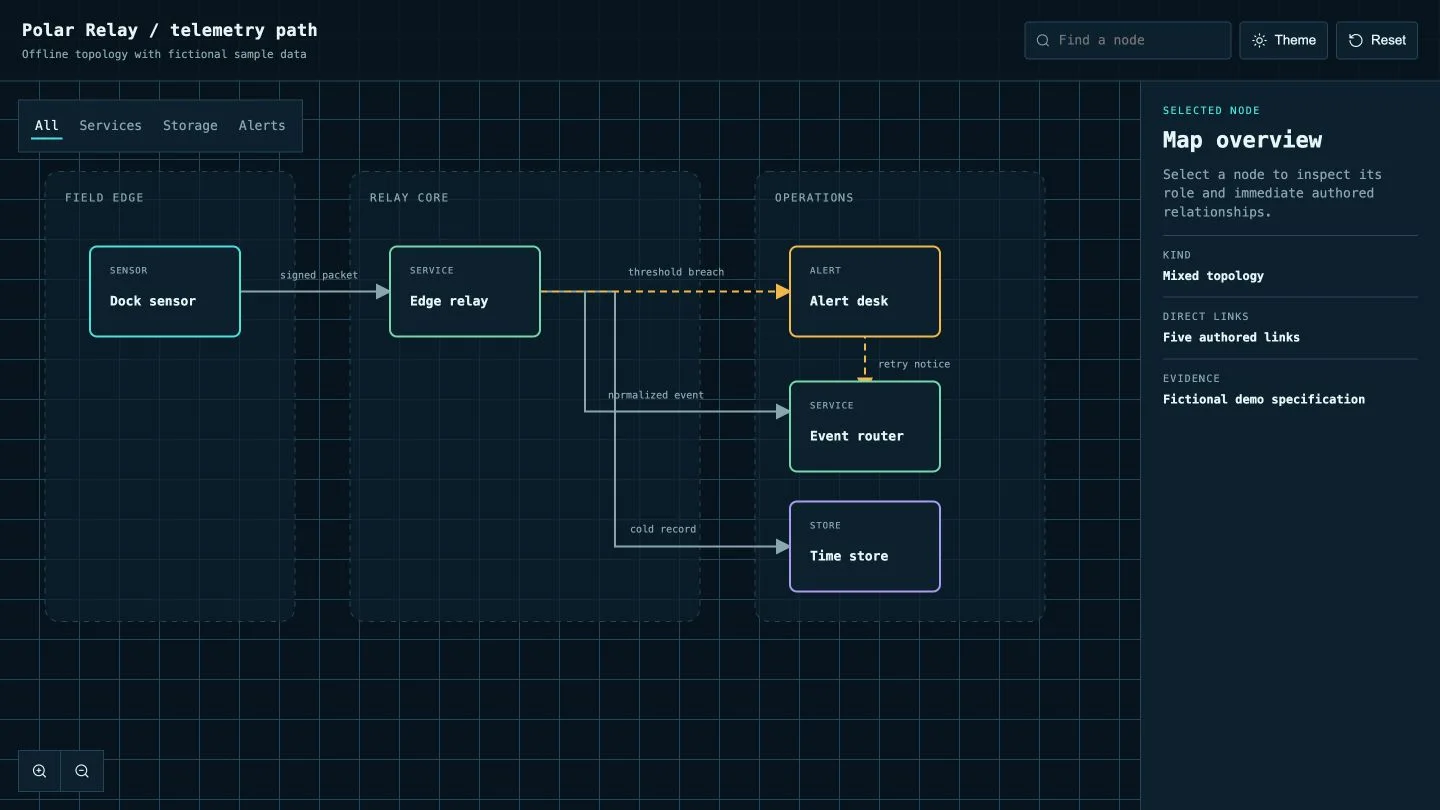
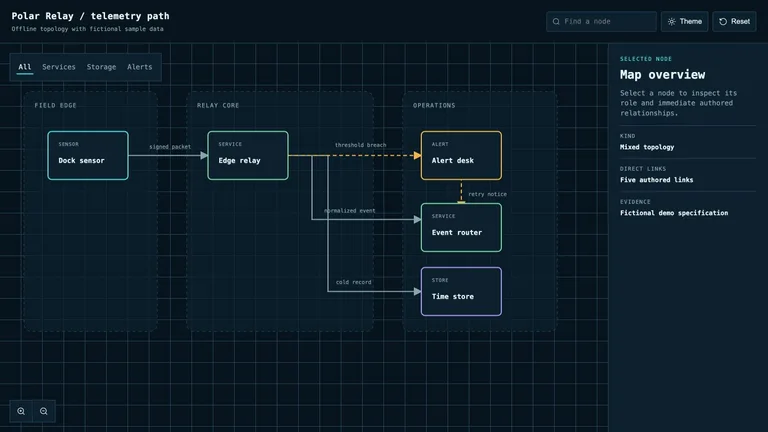
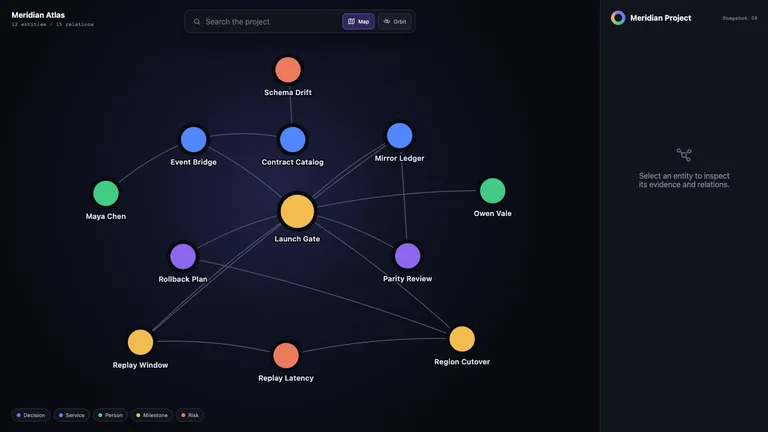
Build an offline interactive system map from a written description, code evidence, or a typed node-and-edge specification. The result makes architecture, data flow, sequence, and lifecycle relationships explorable without relying on a diagram service.

Updated Sep 29, 2026

Interactive System Map result preview
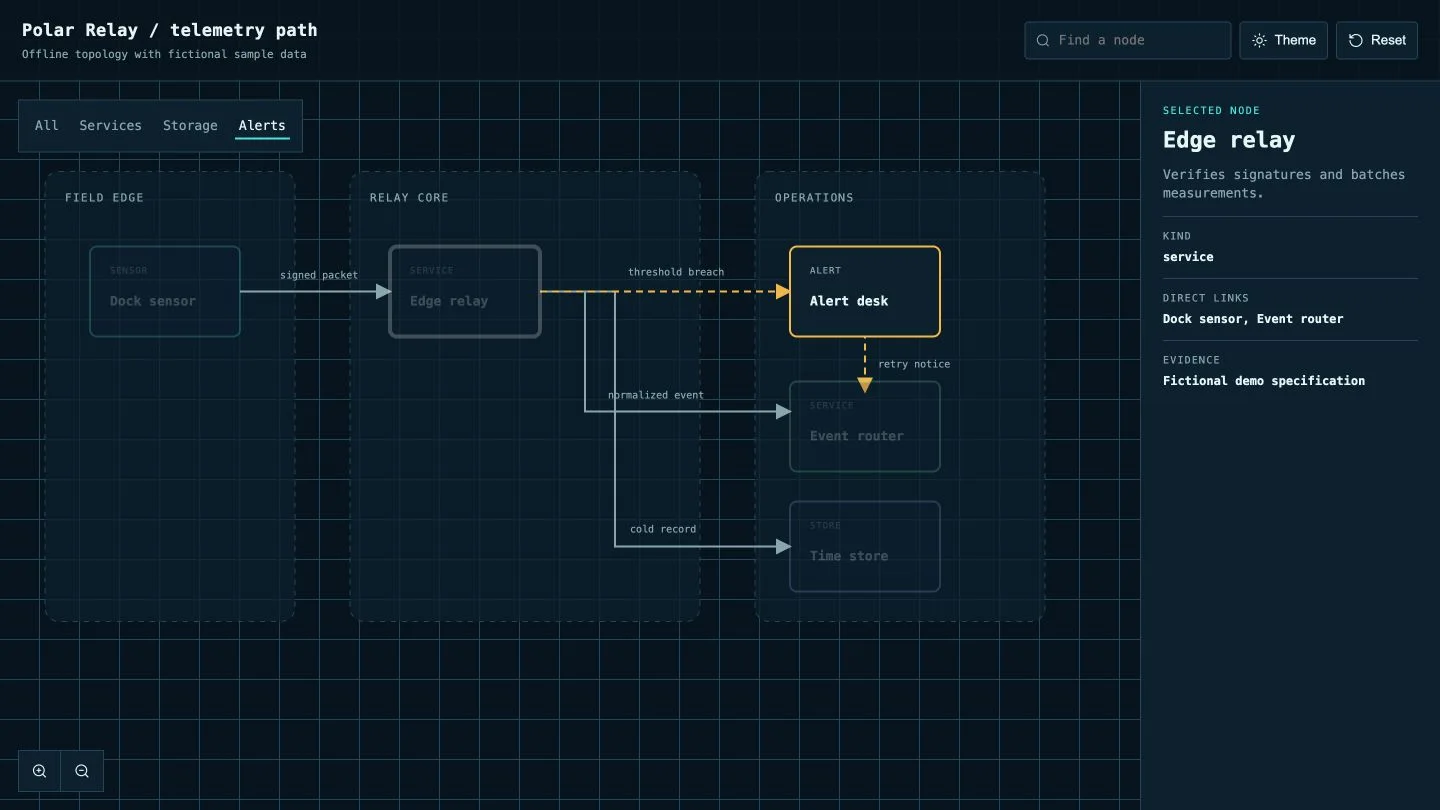
Interactive System Map result preview 2
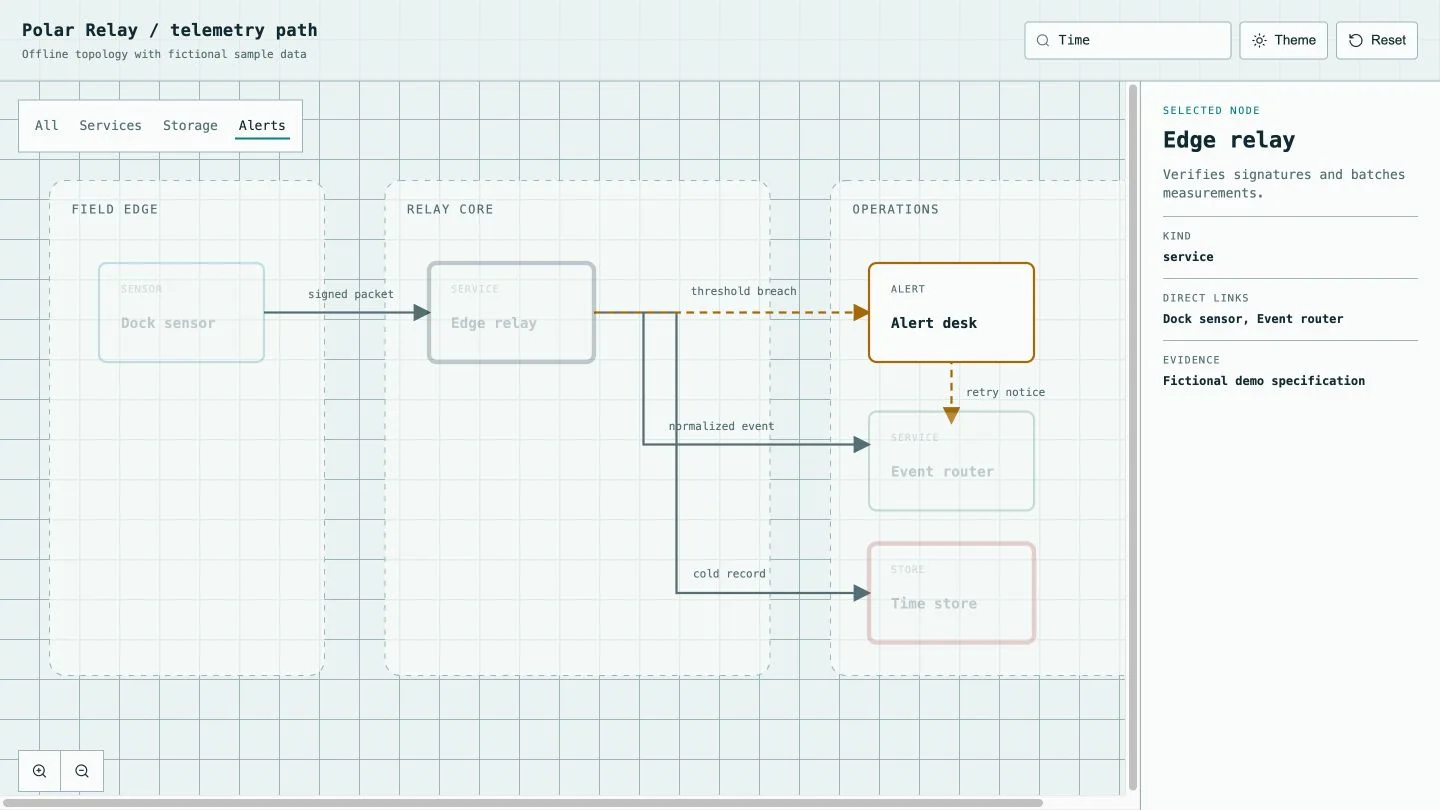
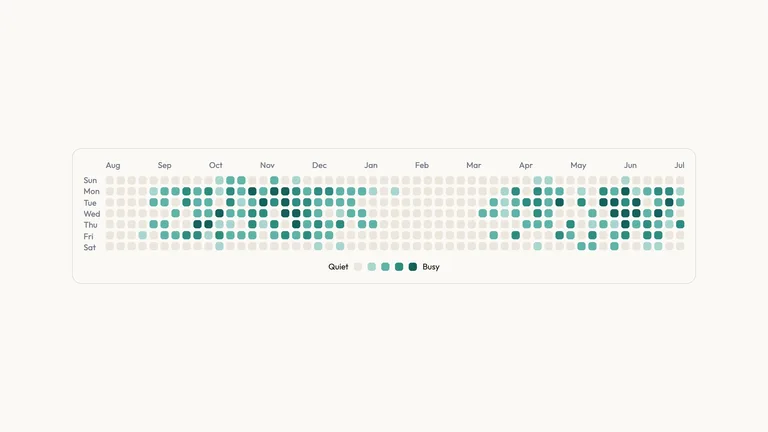
Interactive System Map result preview 3

Runs in

Claude CodeClaude Desktop / CoworkCodex / ChatGPTCursorGitHub CopilotOpenClawHermesOpenCodeKilo Code

Generates with

Host Agent LLM

What you get

  • An offline system map with a readable main path and typed node-and-edge relationships.
  • Search, focus, semantic filtering, zoom, and a selected-node relationship dossier.
  • A verification handoff that separates supplied evidence, local observations, inferences, and unknowns.

Good fit

  • Architecture, data flow, request paths, workflows, or lifecycle states need a shared visual explanation.
  • The system facts can be grounded in a description, typed specification, or authorized repository evidence.
  • Readers need to explore relationships without relying on a hosted diagram service.

Not for

  • Code auditing, capacity planning, or production-impact claims without separate evidence.
  • Maps whose required nodes and relationships cannot be established from the provided material.
  • A free-form drawing canvas or a multi-user diagram editor.
Teaching & ExplainersResearch Publishing & Technical DocsLogic-firstEvidence-firstEditable OutputTechnical BlueprintBuild Interactive System MapDark GridSemantic Signal

About this Skill

You say/bs-interactive-system-map Map a cold-chain request path from field sensors through alert routing and storage.

User reviews

5.0

0 reviews

Rate this Skill

Pick a star rating to write a review

No reviews yet.

Ratings and success rates appear once there is a real sample; we never show percentages without one.
FAQ